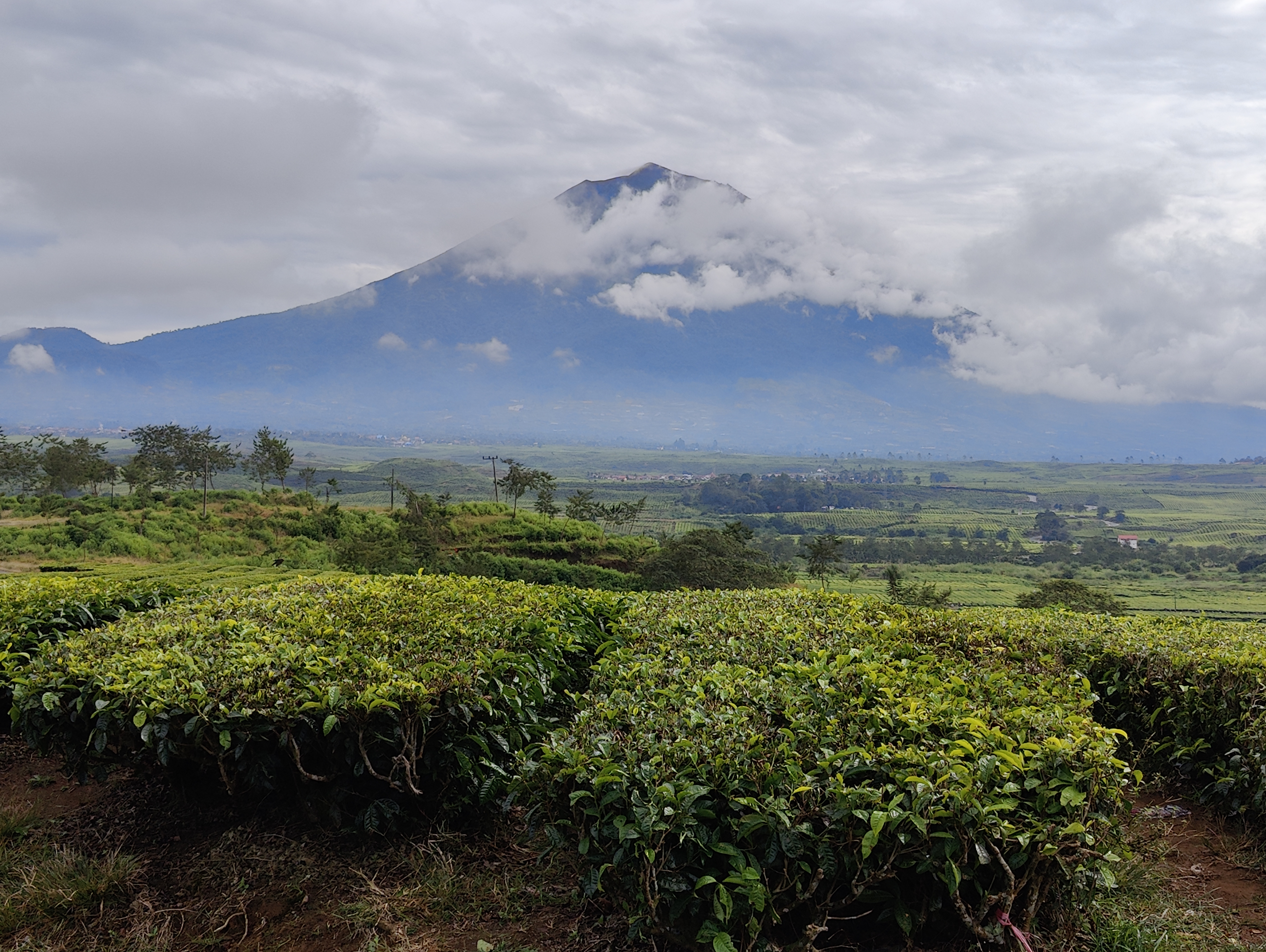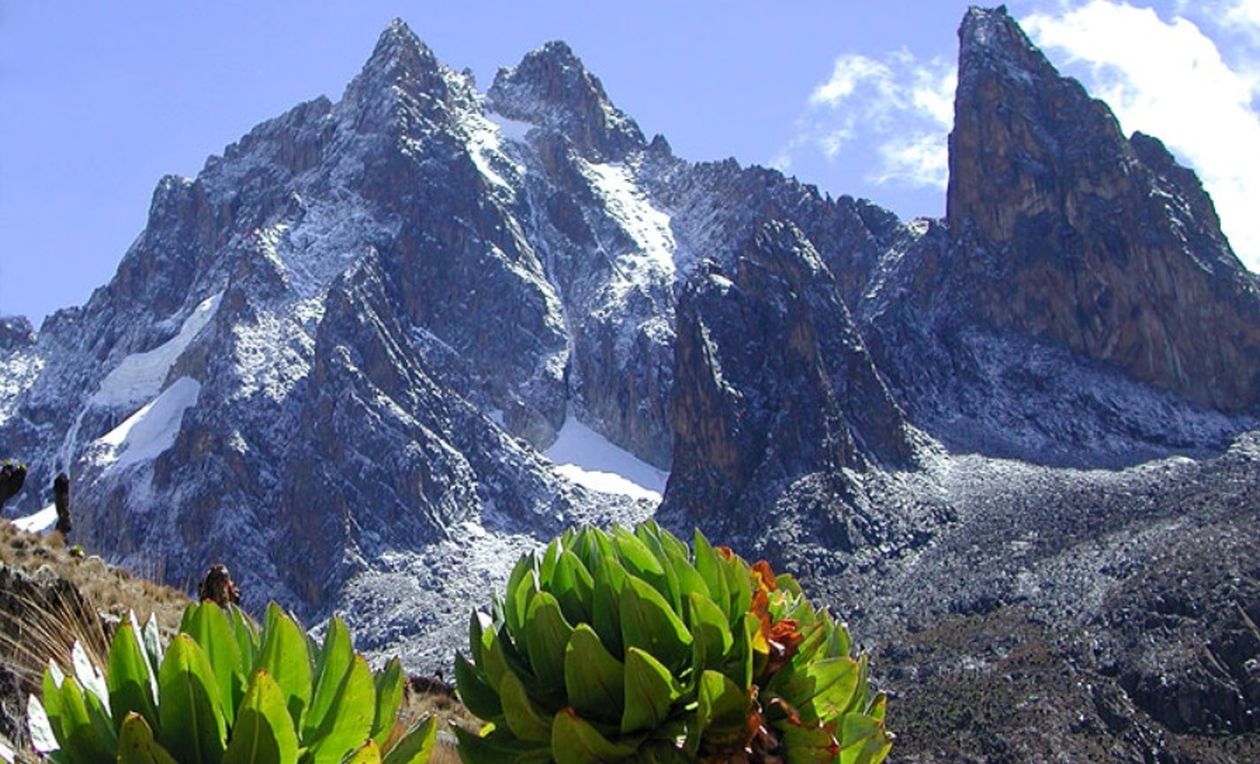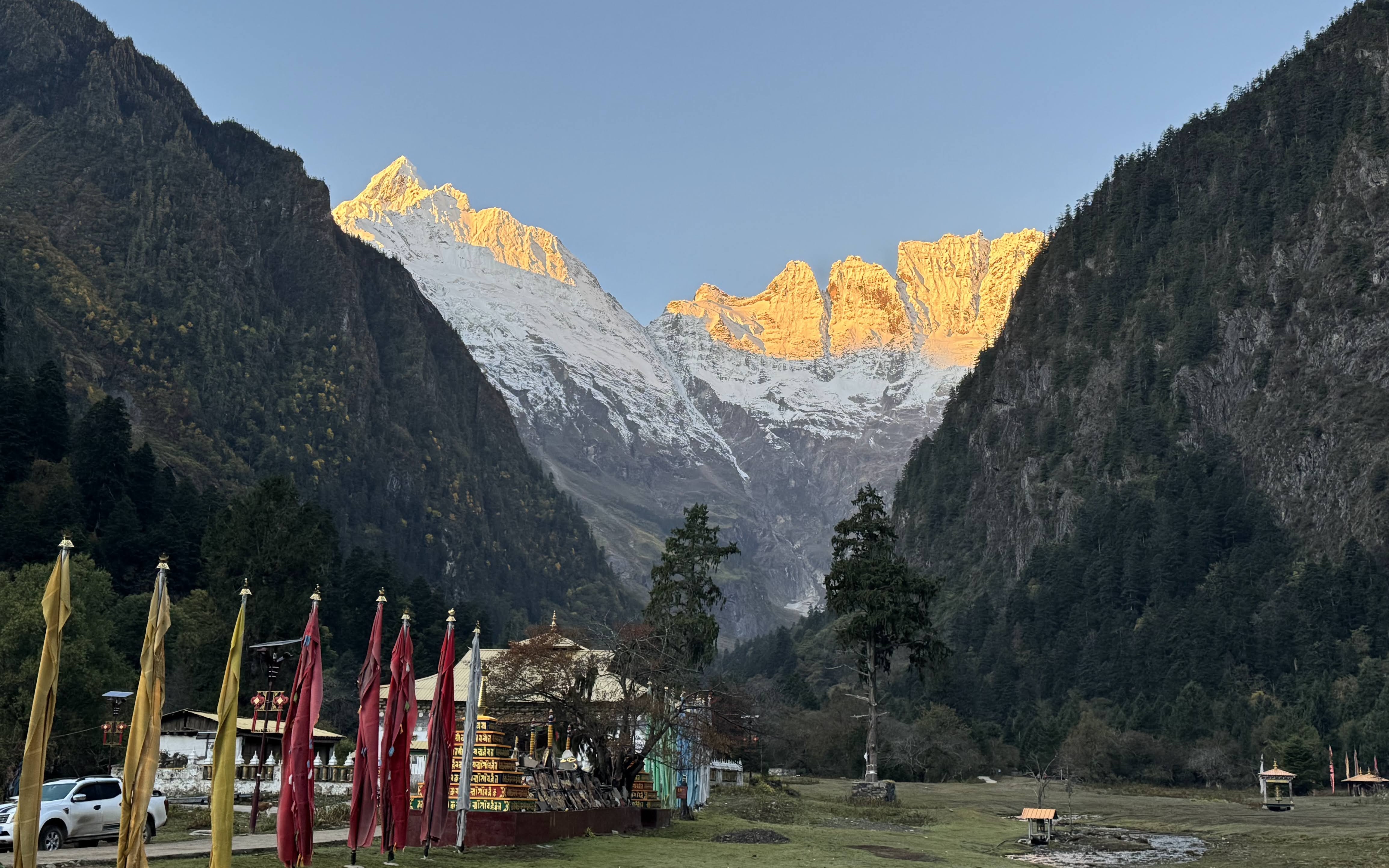

Mt Kerinci (3805m), the highest volcano in Indonesia and the loftiest peak on Sumatra, rises boldly above the sprawling forests of the Kerinci Seblat National Park. As part of the mighty “Ring of Fire,” Kerinci is very much alive; its plume often visible against the sky and it stands as a dramatic sentinel over one of the most biologically rich regions in Southeast Asia.
Kerinci Seblat National Park, a UNESCO World Heritage Site and the largest national park on Sumatra, protects a vast expanse of lush rainforest, home to diverse wildlife including the famed Sumatran tiger, rhino, and elephant. The mountain itself is wrapped in dense jungle that gradually gives way to alpine vegetation as you climb, offering a striking contrast to the volcanic moonscapes of other Indonesian giants.
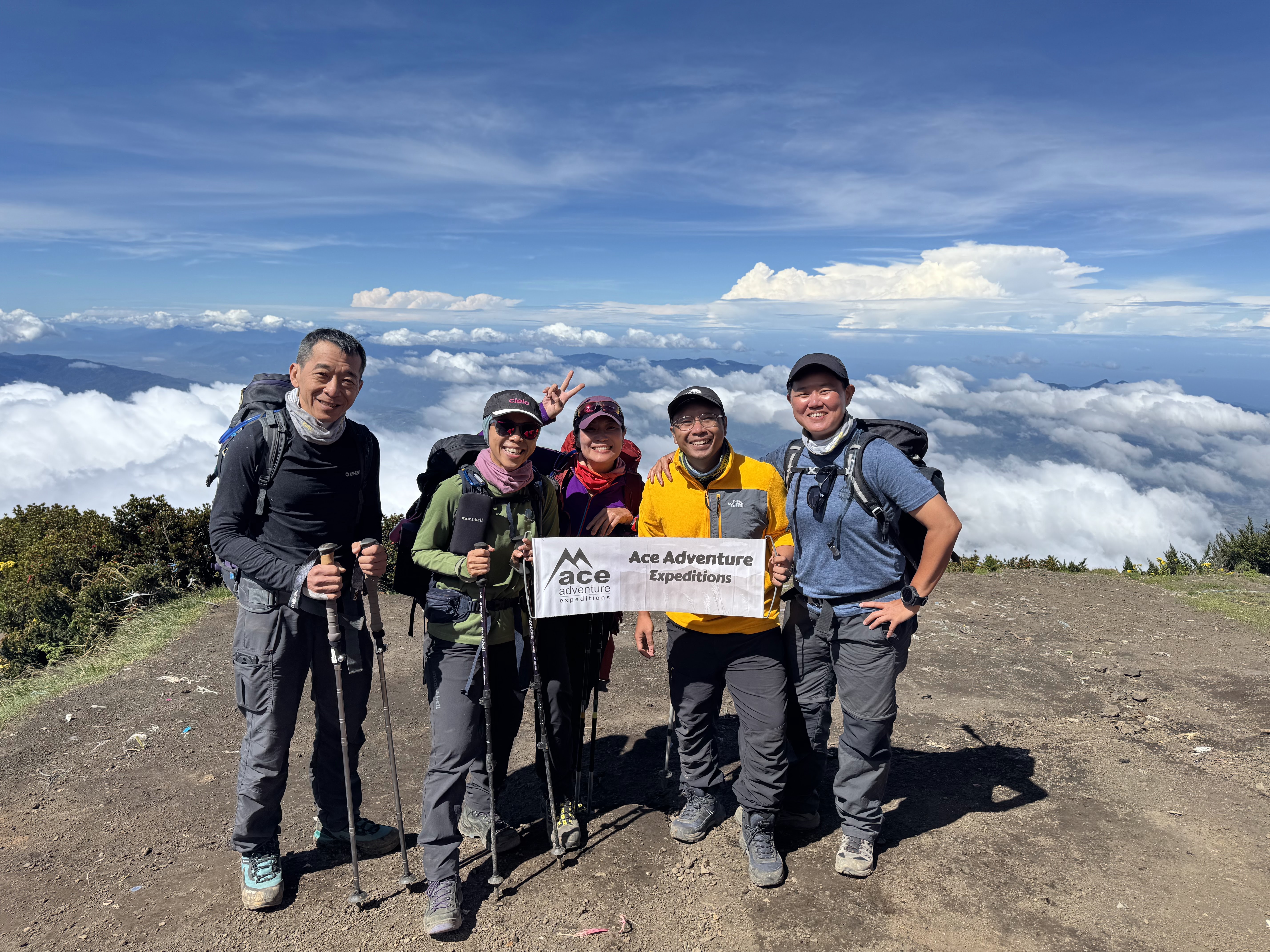
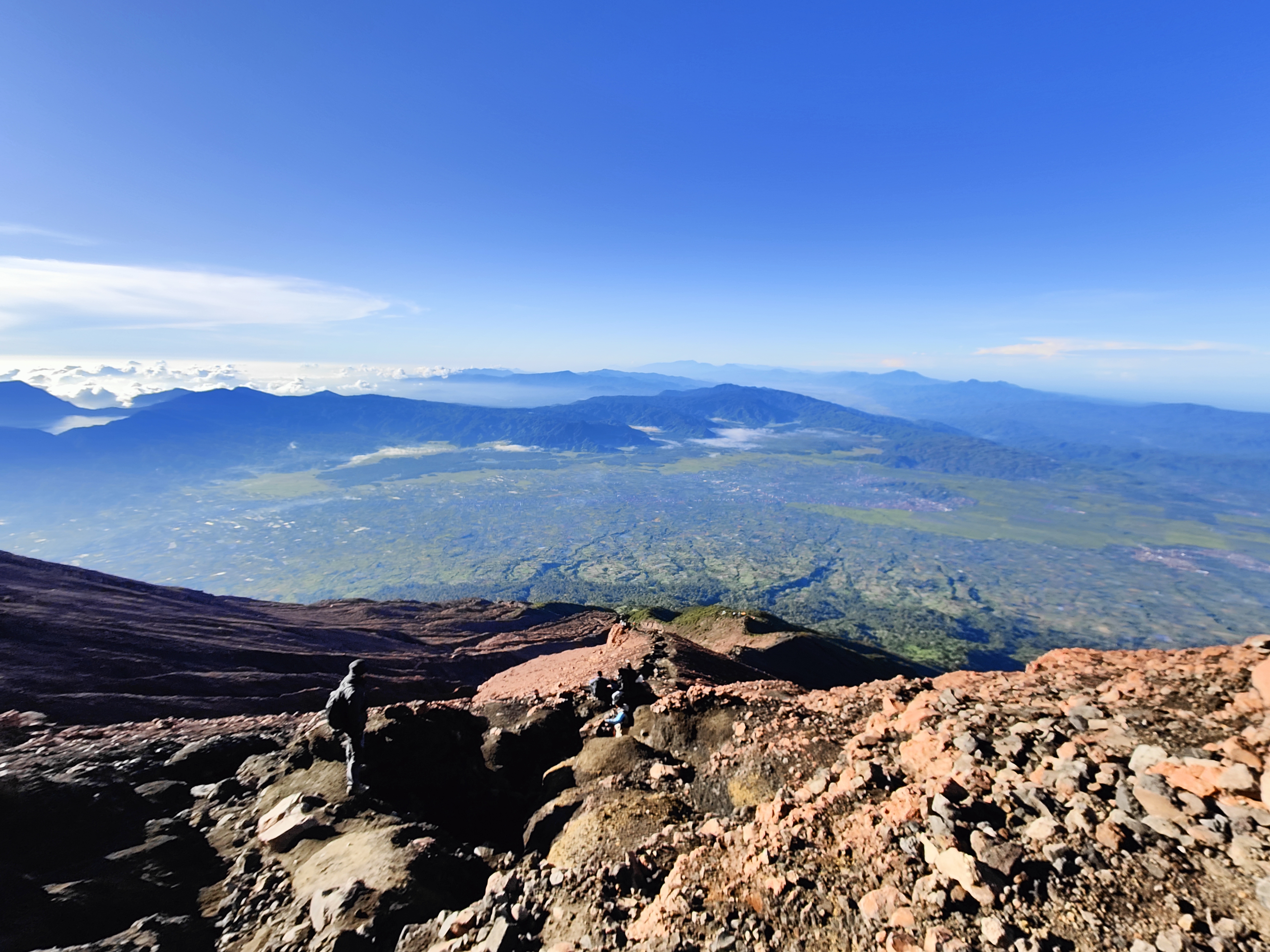
Unlike Rinjani’s grand caldera, Mt Kerinci is known for its perfect steep-sided cone and its long, demanding ascent. The trail winds through thick mossy forests, mist-laden ridges, and eventually up to an exposed volcanic slope. From the summit, reachable after a tough pre-dawn push, trekkers are rewarded with sweeping views of cloud seas, rolling Sumatran highlands, and on very clear days, even the Indian Ocean shimmering far beyond.
For the communities around it, Kerinci is a culturally and spiritually significant peak whose forests support daily life. For trekkers, it is one of Indonesia’s most challenging and rewarding volcano climbs; a blend of rainforest trails, volcanic terrain, and a fierce, unforgettable summit sunrise that makes it a true jewel of Sumatra.
There is one main entry point for climbing Mt Kerinci – the trailhead at Kersik Tuo village, located on the southeastern side of the mountain. All Kerinci summit treks begin here.
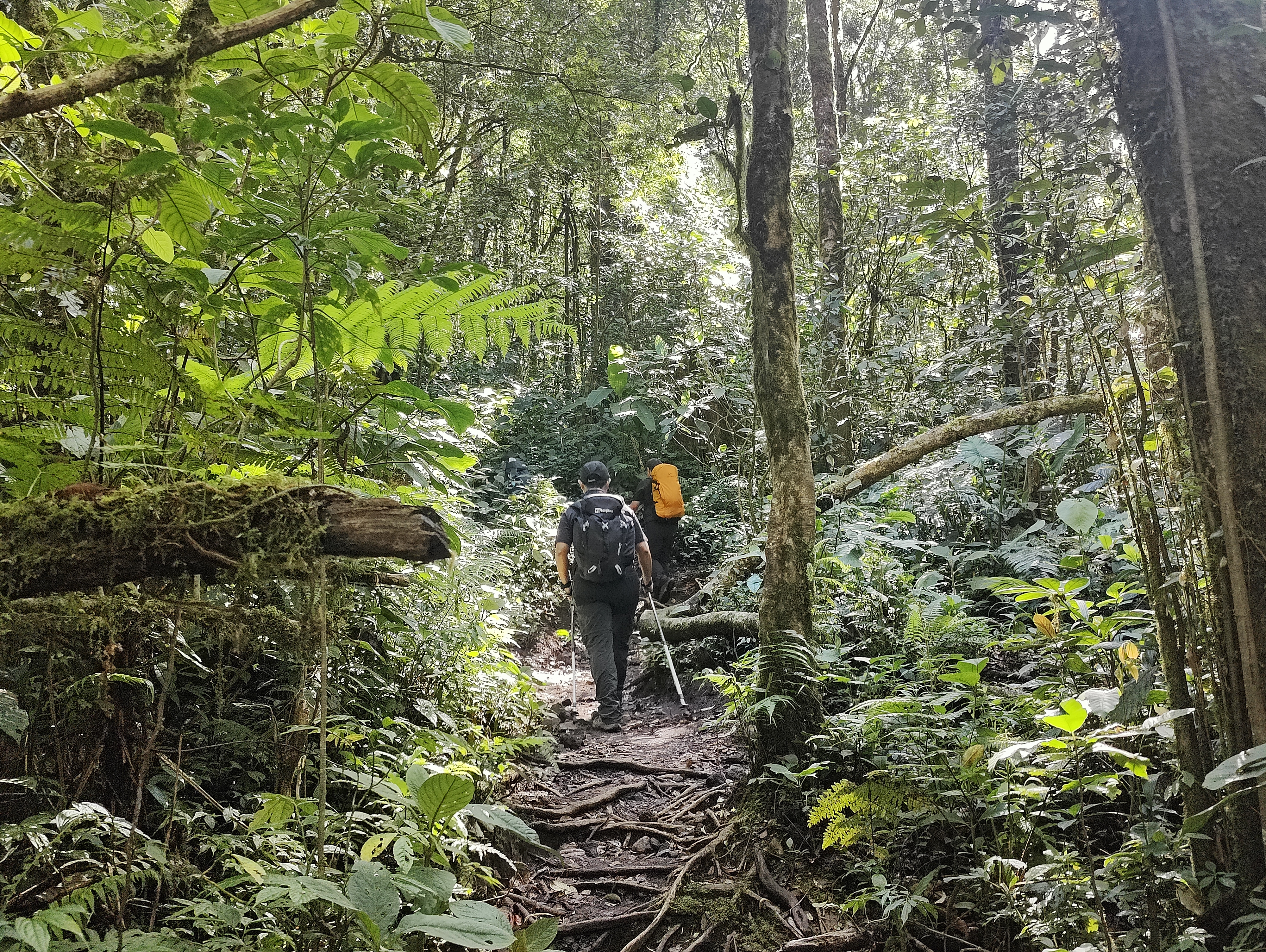
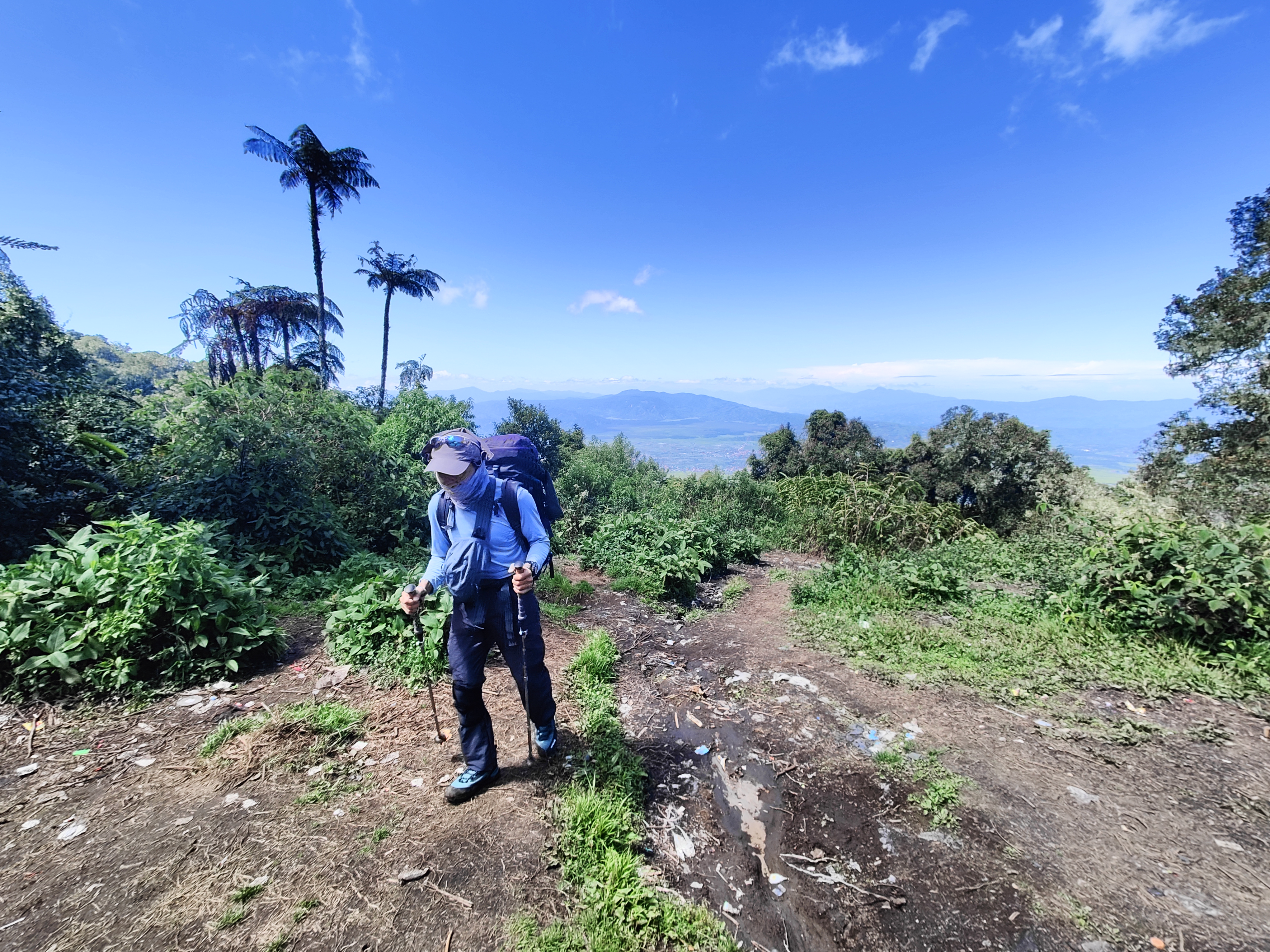
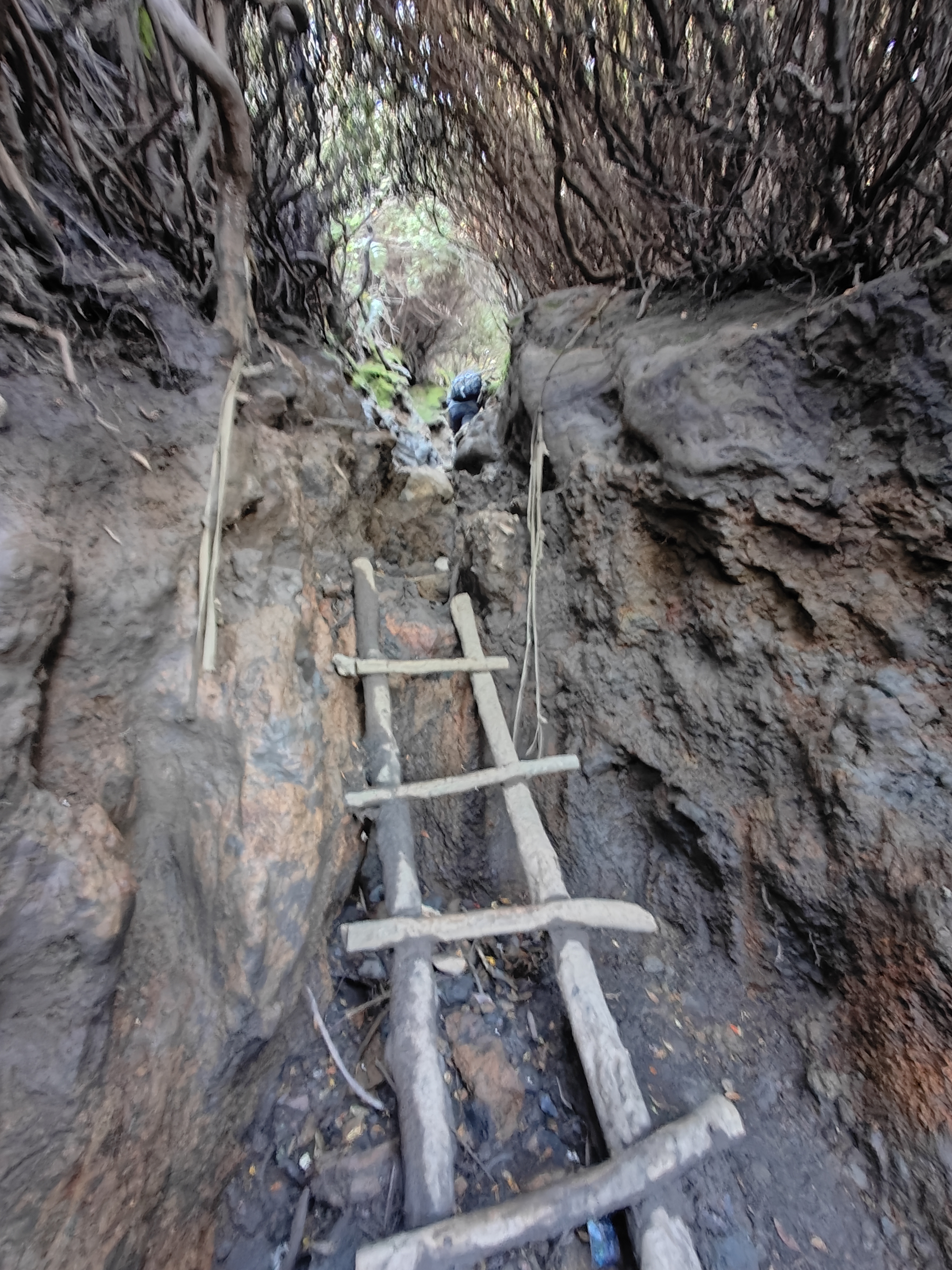
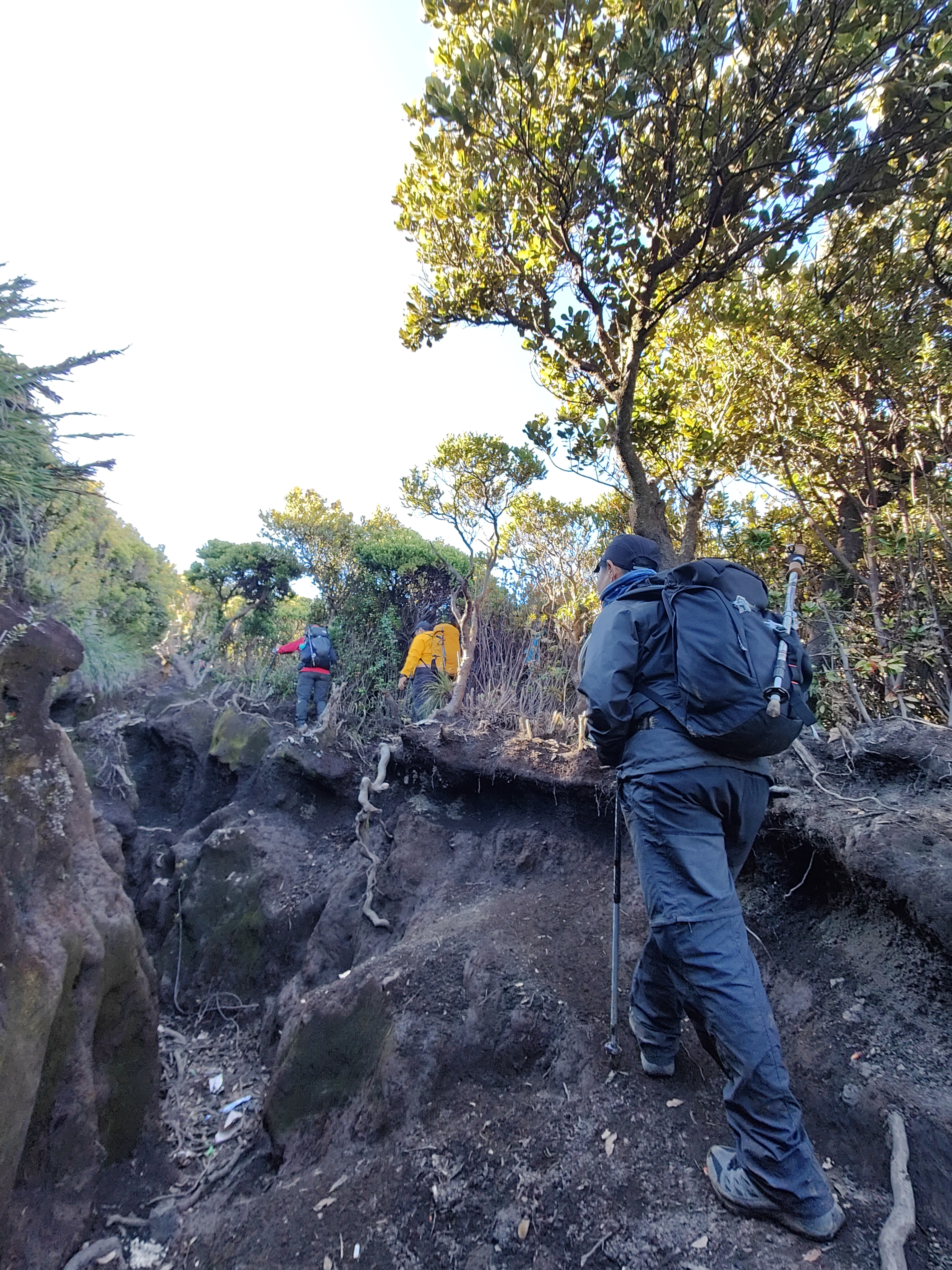
The approach route starts by walking through farmland and tea plantations before entering the dense rainforest of Kerinci Seblat National Park. The trail steadily ascends through humid jungle, moss-covered trees, and root-laced paths before reaching a series of designated shelters used as rest points and campsites: Shelter 1, Shelter 2, and Shelter 3.
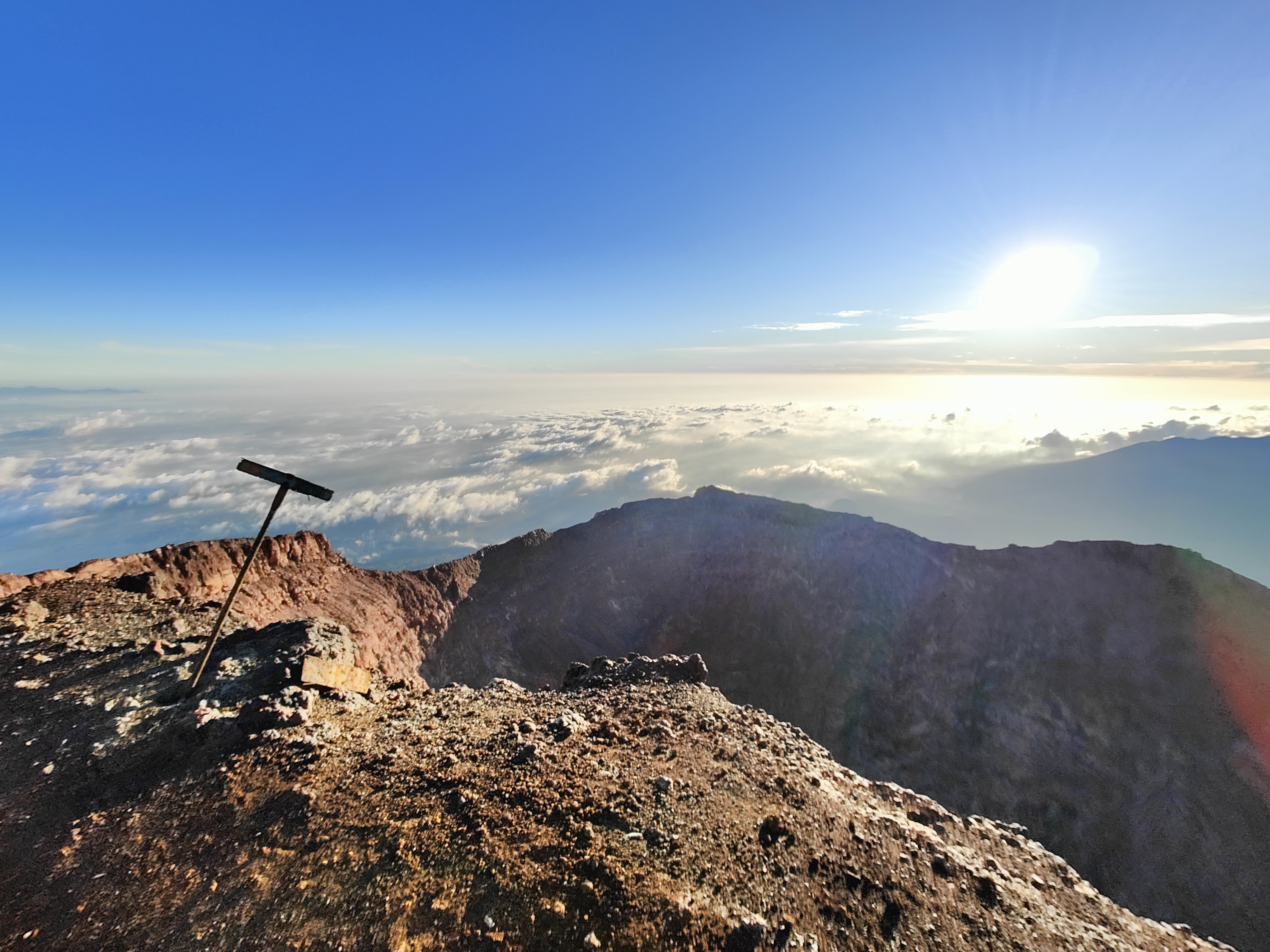
From Shelter 3 (around 3300m), the forest thins and gives way to steeper, more exposed volcanic terrain. The pre-dawn summit push is demanding, the final section is a long, steep climb on an open slope leading up to the crater rim.
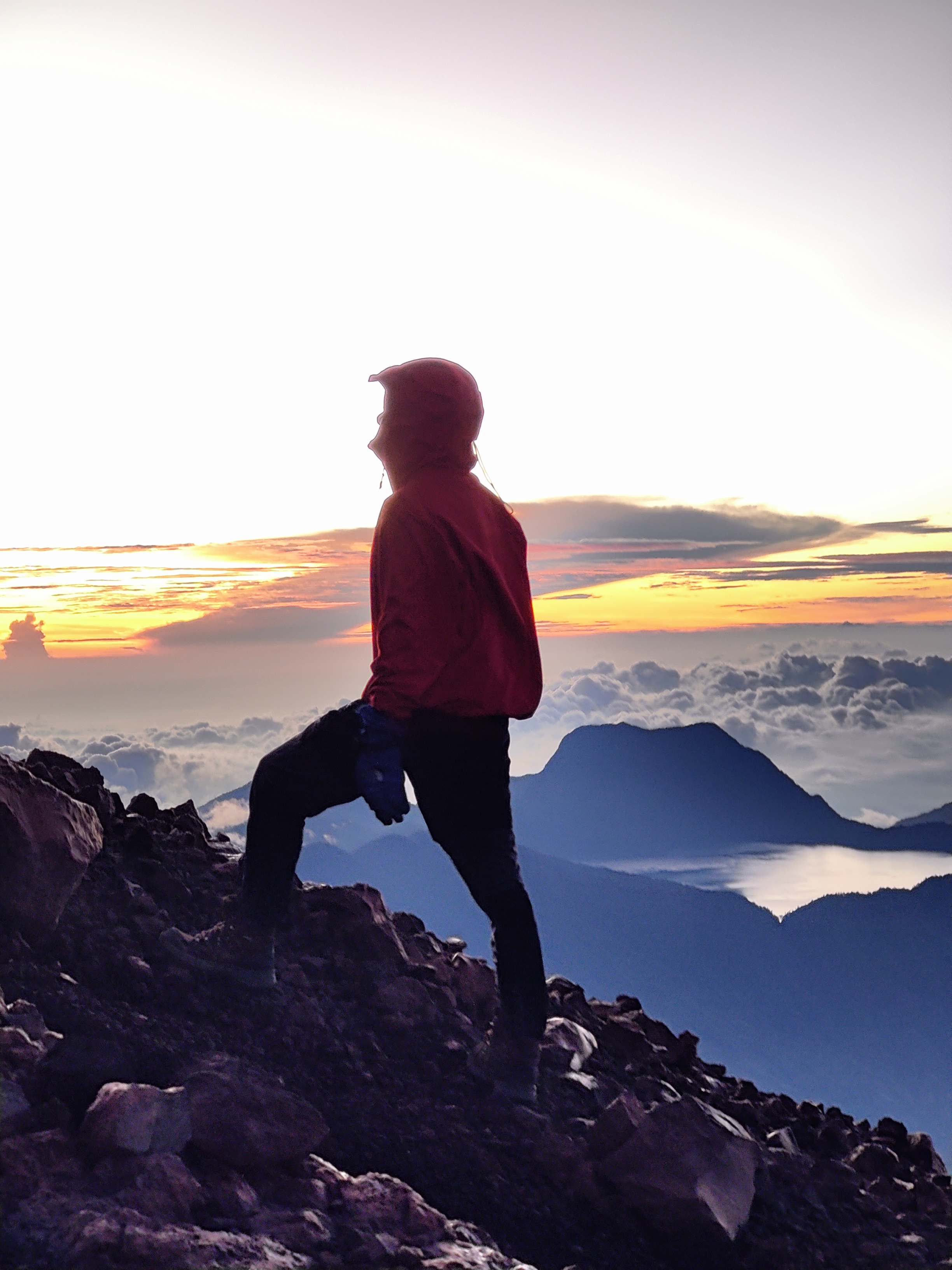
Arrive at the summit before sunrise or catch first light along the upper ridge; both are spectacular moments. The summit reward: sweeping views over the vast forests of Sumatra, distant peaks, and, on a clear day, even the Indian Ocean far beyond.
The descent from Mt Kerinci follows the same route used on the ascent. From the summit, trekkers make their way carefully down the steep volcanic slope, requiring steady footing. Once back at Shelter 3, the terrain shifts as the trail re-enters the forest, offering firmer ground and welcome shade.
The return through the rainforest is a long but steadily paced walk, retracing the root-laced paths, mossy trees, and humid jungle corridors passed on the way up. As you continue descending, the forest gradually opens into farmland and tea plantations, signalling the final stretch back to Kersik Tuo village.
The weather on Mt Kerinci follows the typical Sumatran pattern, with the wet season generally running from November to March. Heavy rain, slippery trails, and poor visibility make this period challenging, and the National Park may close the mountain when conditions are unsafe. Kerinci usually sees more stable weather from April onward as the rains ease.
The best time to trek Mt Kerinci is during the drier months from May to October, when the trails are more manageable and summit views are clearer.
Fringe season: April & November
Best season: May – October
This trek is graded 2B+. It is a 2-day intense summit climb with camping support, and trekkers should be prepared for long, demanding days on their feet.
Mt Kerinci involves a continuous ascent from farmland and tea plantations into dense rainforest, followed by steep volcanic terrain above 3,300m. It is ideal for those who already have trekking experience below 3,000m, but it still demands good fitness and strong endurance.
You will be trekking through humid jungle, root-laced paths, mossy forest sections, and exposed volcanic slopes, carrying a personal load of about 5–6kg (we hire porters to support trekkers with personal load). Expect 6-8 hours of trekking each day as you make your way toward Shelter 3 and beyond.
Summit day is the most demanding part of the trek. From Shelter 3, it takes about 2 hours to reach the summit, but the ascent is steep and requires careful footing and sustained effort. After enjoying the views at the crater rim, you return to Shelter 3, pack up, and continue descending to the base, making it a long and physically challenging day that tests both endurance and stamina.
For the trek to base camp, lightweight and breathable clothing such as a quick-dry t-shirt or trekking shirt, along with trekking shorts or pants, is recommended. In the evenings and for the summit push, layering is essential: a thermal base layer, an insulating layer like a fleece jacket, and a waterproof, windproof outer shell. Be sure to bring rain gear and protect your backpack with a waterproof cover.
A packing list will be provided to all our participants. Please refer to our Resource Centre page for information on the layering system and how to choose the right gear/equipment for your trek.
We have planned this as a 6-day trip. Because the drive between the airport and the village near Mt Kerinci is quite long, we have arranged the journey to be broken up with stops at selected scenic and cultural spots. This not only lets trekkers soak in the local ambience, but also reduces fatigue and avoids overly long stretches on the road, which is important for comfort and safety. For the return journey, we also ensure that the drive takes place in daylight hours to avoid long periods of night driving.
| Day | Description – 6D Trip | Meals |
| 1 |
Arrive in Padang. Transfer to Alahan Panjang (near Lake Diatas) (1600m) 3-4hrs drive. Overnight in Hotel or Homestay |
L/D |
| 2 |
Transfer to Kersik Tuo (1500m) 4hrs drive. Overnight in Homestay |
B/L/D |
| 3 |
Trek from Kerinci Trailhead (Pintu Rimba) to Shelter 3. Overnight in Tent |
B/L/D |
| 4 |
Summit Trek (3805m). Return to Shelter 3, continue to descend to Kerinci Trailhead. Overnight in Homestay. |
B/L/D |
| 5 |
Transfer to Padang (4-5hrs drive out of Kersik Tuo) Overnight in Hotel |
B/L/- |
| 6 | Transfer to airport for departure. | B |
We can also arrange a 4-day trip, but do note that the schedule would be very tight. With the shorter duration, there will be limited time to rest before the Mt Kerinci trek, and most of the remaining hours will be spent on the road. This means less opportunity to enjoy the surroundings, fewer breaks between long drives, and a more physically demanding overall experience.
| Day | Description – 4D Trip | Meals |
| 1 |
Arrive in Padang. Kersik Tuo (1500m) 7-8hrs drive Overnight in Hotel or Homestay |
D |
| 2 |
Trek from Kerinci Trailhead (Pintu Rimba) to Shelter 3. Overnight in Tent |
B/L/D |
| 3 |
Summit Trek (3805m). Return to Shelter 3, continue to descend to Kerinci Trailhead. Overnight in Homestay. |
B/L/D |
| 4 | Transfer to airport in the early morning. 7-8hrs drive | B |
Note: The above itinerary has been planned with the assumption of a direct flight from Singapore to Padang.
| DATES | PRICE |
| 4-9 May 2026 (with a Trek Leader) | $790 (SGD) / person |
Group size:
Minimum: 8 people
Maximum: 15 people
For trips without a AAE Trek Leader – please contact us. Send an email to us at [email protected]
1. Trip briefing and information kit
2. Gear list
3. Complimentary group training sessions
We work closely with our trusted local partners on Mt Kerinci to provide a safe and reliable trekking experience. While the support infrastructure on Mt Kerinci is more basic compared to other popular peaks, our local guides are familiar with the mountain, the surrounding environment and the trail conditions, and are able to provide assistance in the event of an emergency.
Nationals of 169 countries may enter Indonesia visa free for up to 30 days stay that cannot be extended.
|
Albania |
Comoros |
Japan |
Nepal |
Sri Lanka |
|
Algeria |
Costa Rica |
Jordan |
Netherlands |
St Kitts and Nevis |
|
Andorra |
Cote D’Ivoire |
Kazakhstan |
New Zealand |
St Lucia |
|
Angola |
Croatia |
Kenya |
Nicaragua |
St Vincent and Grenadines |
|
Antigua and Barbuda |
Cuba |
Kiribati |
Norway |
Suriname |
|
Argentina |
Cyprus |
Kuwait |
Oman |
Swaziland |
|
Armenia |
Czech Republic |
Kyrgyzstan |
Palau |
Sweden |
|
Australia |
Denmark |
Laos |
Palestine |
Switzerland |
|
Austria |
Dominican Republic |
Latvia |
Panama |
Taiwan |
|
Azerbaijan |
Ecuador |
Lebanon |
Papua New Guinea |
Tajikistan |
|
Bahamas |
Egypt |
Lesotho |
Paraguay |
Tanzania |
|
Bahrain |
El Salvador |
Liechtenstein |
Peru |
Thailand |
|
Bangladesh |
Estonia |
Lithuania |
Philippines |
Timor-Leste |
|
Barbados |
Fiji |
Luxembourg |
Poland |
Togo |
|
Belarus |
Finland |
Macau SAR |
Portugal |
Tonga |
|
Belgium |
France |
Macedonia |
Puerto Rico |
Trinidad & Tobago |
|
Belize |
Gabon |
Madagascar |
Qatar |
Tunisia |
|
Benin |
Gambia |
Malawi |
Romania |
Turkey |
|
Bhutan |
Georgia |
Malaysia |
Russia |
Turkmenistan |
|
Bolivia |
Germany |
Maldives |
Rwanda |
Tuvalu |
|
Bosnia and Herzegovina |
Ghana |
Mali |
Samoa |
Uganda |
|
Botswana |
Greece |
Malta |
San Marino |
Ukraine |
|
Brazil |
Grenada |
Marshall Islands |
Sao Tome and Principe |
United Arab Emirates |
|
Brunei |
Guatemala |
Mauritania |
Saudi Arabia |
United Kingdom |
|
Bulgaria |
Guyana |
Mauritius |
Senegal |
Uruguay |
|
Burkina Faso |
Haiti |
Mexico |
Serbia |
USA |
|
Burundi |
Honduras |
Moldova |
Seychelles |
Uzbekistan |
|
Cambodia |
Hong Kong SAR |
Monaco |
Singapore |
Vanuatu |
|
Canada |
Hungary |
Mongolia |
Slovakia |
Vatican City |
|
Cape Verde |
Iceland |
Morocco |
Slovenia |
Venezuela |
|
Chad |
India |
Mozambique |
Solomon Island |
Vietnam |
|
Chile |
Ireland |
Myanmar |
South Africa |
Zambia |
|
China |
Italy |
Namibia |
South Korea |
Zimbabwe |
|
Commonwealth of Dominica |
Jamaica |
Nauru |
Spain |
|
For countries not listed above, or you require a longer stay, please check eligibility for Visa On Arrival at http://www.imigrasi.go.id/apply_ri/tourism/visaonarrival/.
For latest updates and details of visa application, please visit http://www.imigrasi.go.id
In Lombok, there are moneychangers located in the tourist areas of Sengiggi, Mataram and Gili Islands. The rates at the moneychangers tend to be better than those offered in the hotels and banks. Double count your money before leaving the moneychangers to make sure the accurate amount is given.
ATM machines are available in the same tourist areas of Sengiggi, Mataram and Gili Islands, and work with the international network such as Cirrus, Maestro, Plus. It is advisable to take cash with you when travelling to the more remote areas such as Sembalun and Senaru, as the nearest ATM can be a few hours’ drive away.
Credit cards such as Visa and Mastercard, are accepted mainly by the larger hotels, major stores and some restaurants in the major tourist areas. The smaller and local establishments in these tourist areas and most places outside the major tourist areas accept only cash payment in Indonesian Rupiah.
Indonesia’s electricity is 230 Volt and 50 MHZ. The electric plug is the two round pins plug, Types C and F, commonly used in Europe.
The official language of Indonesia is Bahasa Indonesia. Most Indonesians also have their own ethnic language or dialect. In Lombok, many of the more traditional and/or remote locals speak Sasak. English is not widely spoken but an acceptable level can be understood in the major cities. Hotel and tourist service staff has at least a basic level of English.
It is strictly not recommended to drink water straight from the tap. Bottles of mineral water can be easily purchased in hotels, restaurants and supermarkets. Many hotels also provide a small bottle of complimentary mineral water per day to each guest.
Giving a tip to tour guides is a common practice in Indonesia but other service staff in hotels, restaurants and taxi drivers in general do not expect a tip from tourists. Service charge of 11% is included in hotels and some restaurants include 5-10%.
With evolving world situations that may occur unexpectedly due to natural disasters, pandemics/epidemics, conflicts and unrests, it is best to read up and keep tabs on news and developments at your destination country and region before the trip. Check on the country’s official website and/or your own foreign ministry website for any travel advisory or safety precautions to be taken while abroad.
As with traveling in anywhere in the world, regardless of the local crime rate, stay vigilant and take care of personal safety. Good to read up on any possible exposure in the country prior to departure.
It is a good practice to register with your respective foreign ministry if there is such a service provided to citizens, to contact you in order to make sure that you are safe and, if need be, assist you should an emergency (e.g. natural disasters, civil unrest, etc.) occur when you are overseas.
For Singaporeans, this is the link to the Ministry of Foreign Affairs’ eRegister:
https://eregister.mfa.gov.sg/eregisterportal/common/preLoginEregisterView.action
It is highly recommended to purchase comprehensive travel insurance(s), upon payment of your trip, to cover adverse situations that may occur while you are overseas or even before departure. Ensure that the coverage is suitable for your destination and the activities that you are participating in. Be familiar with the terms and conditions before purchasing and travelling abroad.
There is no compulsory vaccine to be taken to enter Indonesia. You should, however, be up to date on routine vaccinations, especially vaccines against water-borne, food-borne, parasitic and other infectious diseases (examples: hepatitis, typhoid and tuberculosis) while traveling to any destination. You are encouraged to consider having vaccinations before you travel. At least eight weeks before you depart, make an appointment with your doctor or travel clinic for a basic health check-up, and to discuss your travel plans and any implications for your health, particularly if you have an existing medical condition.
Recommended routine vaccinations for travellers in general:
|
Hepatitis A |
Spread through consuming contaminated food and water or person to person through the faecal-oral route. Risk is higher where personal hygiene and sanitation are poor. |
|
Hepatitis B |
Spread through infected blood and blood products, contaminated needles and medical instruments and sexual intercourse. Risk is higher for those at occupational risk, long stays or frequent travel, children (exposed through cuts and scratches) and individuals who may need, or request, surgical procedures abroad. |
|
Rabies
|
Spread through the saliva of an infected animal, usually through a bite, scratch or lick on broken skin. Particularly dogs and related species, but also bats. Risk is higher for those going to remote areas (who may not be able to promptly access appropriate treatment in the event of a bite), long stays, those at higher risk of contact with animals and bats, and children. Even when pre-exposure vaccine has been received, urgent medical advice should be sought after any animal or bat bite. |
|
Tetanus
|
Spread through contamination of cuts, burns and wounds with tetanus spores. Spores are found in soil worldwide. A primary series of 5 doses of tetanus vaccine is recommended for life. Boosters are usually recommended in a country or situation where the correct treatment of an injury may not be readily available. |
|
Typhoid Fever |
Spread mainly through consumption of contaminated food and drink. Risk is higher where access to adequate sanitation and safe water is limited. |
|
Influenza |
A vaccine specific for a given year to protect against the highly variable influenza virus. |
For more information and professional advice on travel vaccinations, please consult your doctor or travel clinic.
For people residing in Singapore, you may visit The Travellers’ Health and Vaccination Clinic (THVC) at Tan Tock Seng Hospital:
Travellers’ Health & Vaccination Clinic
Address: Level 4, Clinic 4B, Tan Tock Seng Hospital Medical Centre
Contact number: 6357 2222
Website : https://www.ttsh.com.sg/Patients-and-Visitors/Medical-Services/Travellers-Health-and-Vaccination-Clinic/Pages/default.aspx
Indonesia’s climate is entirely tropical, meaning it is generally hot and sunny all year round. Mosquito & insect bites and sunburn are typical health concerns in such a tropical place, particularly for those who stay outdoors for long hours.
Mosquito and insect bites are common in the lowland areas in Indonesia, especially in the jungle or on the beach. Apart from acting as carriers of disease, mosquito & insect bites can result in unpleasant and occasionally serious skin reactions. You are advised to take measures to avoid mosquito and insect bites, including using an insect repellent at all times and wearing long, loose fitting, light coloured clothing in the evenings. Some simple ways to minimisation of exposure to mosquitoes: